


I first saw chia seed water in a tall mason jar by the window on a friend’s kitchen counter in late spring. The seeds were suspended like tiny black commas in a liquid with a hint of lemon. She vowed that it had altered her energy, digestion, and even cholesterol. I gave a courteous nod. However, there was something about that assurance—the assurance taken from a 30-second video—that stuck with me for weeks.
Even though the trend is new, the drink itself has an ancient spirit. Long before chia seeds were used as a wellness aesthetic, they were an essential part of Mayan and Aztec diets. The packaging has been altered. These days, it comes with a lot of promises, especially the one that a glass a day can discreetly reduce your cholesterol while you browse your phone.
| Detail | Information |
|---|---|
| Topic | Chia seed water and its effect on cholesterol levels |
| Plant Origin | Salvia hispanica, native to Mexico and Guatemala, part of the mint family |
| Common Form | Soaked seeds in water, sometimes with lemon |
| Standard Serving | 2 tablespoons (about 28 grams) of chia seeds in 1 cup of water |
| Key Nutrients | Soluble fiber, omega-3 fatty acids (ALA), protein, antioxidants |
| Fiber per ounce | Roughly 35% of the recommended daily value |
| Cholesterol Claim | May lower LDL, may raise HDL — evidence is mixed |
| Reviewed Research | 2023 meta-analysis published via PubMed Central |
| Cardiologist Cited | Dr. Elizabeth Klodas, who lists chia among five everyday foods she eats |
| Verdict | Helpful as part of a broader heart-healthy diet, not a standalone fix |
When you ask cardiologists directly, they seem less enthusiastic. Chia seeds are one of the foods that Minnesota-based cardiologist Dr. Elizabeth Klodas frequently consumes. She has written about her own grocery list. However, she presents them, along with watermelon, broccoli, almonds, and oats, as one component of a much bigger picture. Not a remedy. It’s not a hack. Just a tiny, repeated decision.
Though less well-known than the headlines imply, the science underlying chia is real. Soluble fiber, which binds to dietary fats and cholesterol in the gut and encourages the liver to burn through its stored cholesterol to make up for it, is abundant in the seeds. Additionally, they contain a significant amount of alpha-linolenic acid, a plant-based omega-3 fatty acid associated with decreased triglycerides and slight increases in HDL, or good cholesterol.
This is where things become unclear, though. The majority of studies cited on Instagram are either brief, small-scale, or conducted on whole chia seeds rather than the watery variety that’s popular on TikTok. Results from various trials were inconsistent, according to a 2023 review that focused on HDL effects. The body is making significant use of the fiber and omega-3 fatty acids. It’s another matter entirely whether suspending them in water provides anything more than hydration.
What is lost in translation between a drink and a seed is another problem. Chia that has been soaked quickly becomes gelatinous, which some people enjoy and others find intolerable. The fiber remains intact. The fats are still present. However, people frequently underestimate the amount they actually take in a glass, particularly when the seeds sink to the bottom and are left behind.
It’s difficult to ignore a recurring pattern as you watch this develop over the past 12 months. A food has actual nutritional value. Beyond science, social media amplifies it. The inevitable correction follows, usually months later and with a smaller font. This happened to oat milk. Turmeric lattes did the same. It appears that chia seed water is starting its own cycle.
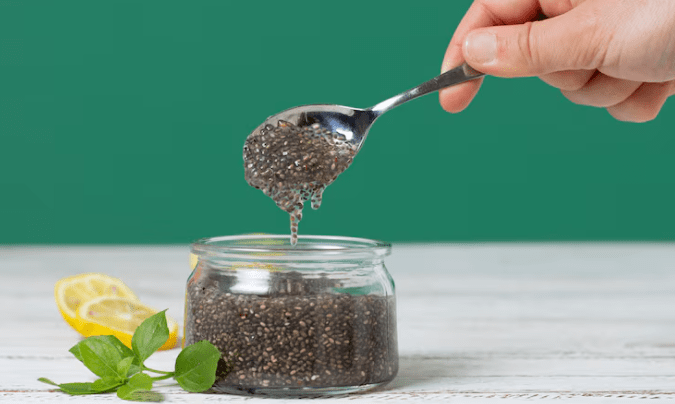
This does not imply that the drink is worthless. Water consumption is beneficial. It’s a good idea to include fiber in your morning. Even though it has nothing to do with the seeds themselves, the benefits of using chia seed water instead of sugary coffee or soda are genuine. The ritual seems to be just as important as the chemistry.
The honest response that the majority of cardiologists seem to come to is something like this: don’t expect a miracle, but eat the chia and drink the water. Instead of reacting to individual components, cholesterol reacts to patterns. An excellent place to start is with a jar on the counter. Simply put, it’s not where the internet wants it to be.
