


A certain type of person now shuts the laptop, ignores the group chat, and sits down with a lukewarm cup of coffee at a specific hour, typically between four and six in the afternoon. Not a podcast. Don’t scroll. Just the deliberate act of being alone, which is slow and a little awkward. This would have appeared to be a social planning failure a few years ago. It appears to be a discipline today.
The way we discuss loneliness has changed. For a significant portion of the past ten years, there was a subtle shame associated with being by yourself, similar to how people rationalized spending a Friday night at home. That was disrupted by the pandemic, but not in the way most anticipated. Not only did lockdown reveal loneliness, but it also revealed the opposite issue—the peculiar weariness that comes from never being by yourself at home. After those months, people were simultaneously aware of two things. They were lonely. They also missed who they were.
| Topic Profile | Details |
|---|---|
| Subject | The modern reclamation of solitude as a wellbeing practice |
| Field | Mental health, behavioural science, lifestyle |
| Lead Researcher Cited | Professor Netta Weinstein, University of Reading |
| Key Study | “Balance between solitude and socializing,” Scientific Reports, 2023 |
| Participants Tracked | 178 adults across the UK and US, aged 35+ |
| Tracking Period | Up to 21 days using daily diaries |
| Main Finding | No universal “right” amount of alone time exists |
| Reported Benefits | Lower stress, autonomy, creativity, self-reflection |
| Reported Risks | Loneliness when solitude is forced rather than chosen |
| Cultural Context Source | Eric Klineberg’s book Going Solo |
| Related Reading | Verywell Mind on alone time and mental health |
| Why It Matters Now | Post-pandemic shift in how people view privacy and rest |
The studies have been catching up. The University of Reading’s 2023 study, which followed 178 adults for up to three weeks, discovered something more complex than the typical headlines would imply. Increased time spent alone was associated with lower levels of stress and a greater sense of autonomy and self-determination. However, when the solitude wasn’t desired, those same hours could turn into loneliness. It turns out that choice is nearly the only factor that separates restoration from isolation. People don’t realize how important that detail is.
It’s difficult to ignore how this is changing everyday routines. Reservations for solo dinners at fine dining establishments are made as a minor luxury rather than as a depressing solace. Hikes on the weekends without a companion. the rise of what some refer to as “soft sabbaticals,” which involve spending whole Sundays alone. Particularly among younger employees, protected time alone is perceived as a recovery technique that falls somewhere between therapy and a workout rather than a personality quirk.
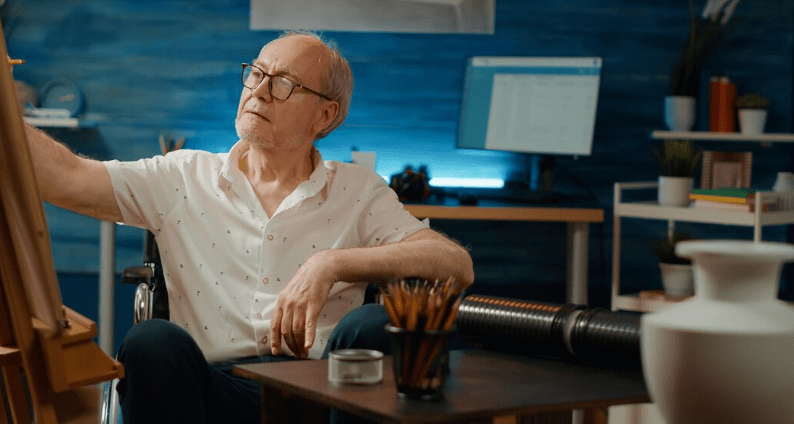
Years ago, sociologist Eric Klineberg made a more subdued version of this claim in his book Going Solo. He noted that approximately one in seven American adults who live alone frequently lead more social lives than people realize. The data continues to recur in fresh ways. People don’t seem to be deprived of connection when they choose to be alone. They seem to be energized to want it once more.
However, romanticizing any of this is risky. Being alone can be unsettling. Researchers have found that, especially in older adults, spending more than 75% of one’s time alone is associated with significantly higher loneliness scores. Additionally, a widely reported study revealed that some people would prefer a mild electric shock to a fifteen-minute period of quiet introspection. The lack of company is not the discipline. It’s the ability to remain in your own thoughts long enough for a problem to be resolved.
It’s unclear if this reclamation will endure or fade into the next wellness fad. The desire for self-optimization in society often reduces complex concepts to purchasable routines. However, as it develops, there’s a sense that this one might endure longer than most. Not because it’s brand-new. Due to its age, people are recalling why it was important in the first place.
