

Entering the Wellbeing Center on the second Tuesday of every month at Wake Forest has a subtle peculiarity. Slowly, the room fills. Retirees arrive; some rely on the same companion from their previous visit, while others are still getting used to the routine of not having a place to go. There are light refreshments on a table in the rear. A guest speaker is getting ready. About forty people, give or take. It doesn’t appear to be the kind of program that receives national recognition. Nevertheless, it simply did.
Wake Forest Campus Recreation received the 2026 NIRSA Innovative Programming Award for its Retiree Wellbeing Program on April 30. It’s difficult to put into words how much this recognition feels overdue. American universities have built climbing walls, recovery pods, and smoothie bars in an obsession with the eighteen to twenty-two-year-old demographic for decades.
| Keys | Values |
|---|---|
| Institution | Wake Forest University |
| Department | Campus Recreation |
| Programme | Retiree Wellbeing Programme |
| Award | 2026 NIRSA Innovative Programming Award |
| Awarding Body | National Intramural-Recreational Sports Association |
| Announcement Date | April 30, 2026 |
| Programme Location | Wellbeing Center Living Room, Wake Forest Campus |
| Regular Activities | Monthly retiree gatherings, weekly pickleball league |
| Schedule | 2nd Tuesday monthly; pickleball on Tuesdays & Thursdays |
| Typical Attendance | Up to 40 retirees per monthly gathering |
| Eligibility | Wake Forest retirees who were benefits-eligible at retirement |
| Programme Lead | Anthony Carson, Assistant Director, Brand Experience & Community Relations |
| Notable Participant | Van Westervelt, retired director of CLASS |
| Membership Offer | Complimentary Wellbeing Center access for eligible retirees |
However, the individuals who spent their working lives creating these establishments typically vanish from campus life as soon as they retire. It appears that Wake Forest was the first to identify that gap. They were among the first, if not the first, campus recreation programs in the nation to intentionally incorporate retiree wellbeing into the department, according to Anthony Carson, who oversees brand experience and community relations for the department.
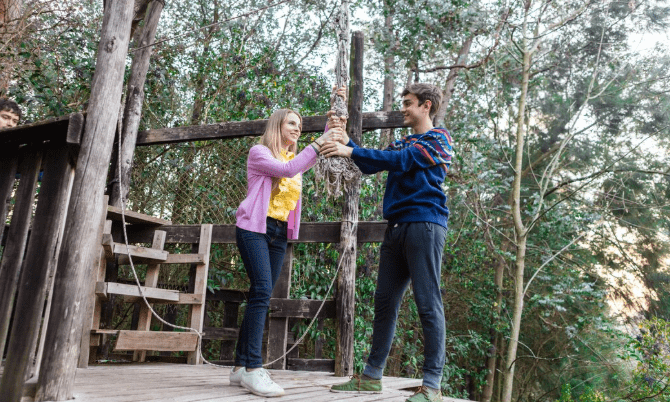
The model’s simplicity is what makes it intriguing. There is no costly collaboration, no proprietary technology, and no consultant hired to create a behavioral framework. A room exists. There are speakers on topics ranging from the history of Wake Forest to the more pragmatic topics of Medicare paperwork and retirement benefits. Pickleball, the sport that has subtly taken over American leisure culture over the past five years, is played twice a week in this league. And there’s coffee, or something close to it.
One of the regulars is Van Westervelt, a former director of the university’s Learning Assistance Center and Disability Services. According to him, the mix of speakers—from nostalgic Wake Forest deep cuts to actually helpful logistical information you’d otherwise have to search through a benefits portal—is what draws people in. It may not seem important, but that mix is crucial. Retirement is a peculiar social precipice. It usually feels like a long weekend during the first six months. The lack of structure then begins to bite, and most universities are left with nothing.
The true story here is the replicability. The majority of creative programming in higher education relies on resources that other institutions find difficult to access. It doesn’t. A room, a calendar, a nearly effortless sport, and an institutional choice to count retirees as members of the community instead of alumni-in-waiting. In a different article about revenue streams, Campus Rec Magazine mentioned Wake Forest as one of the schools reconsidering the purpose of their facilities, with reframing likely being the most difficult aspect. The logistics are almost embarrassingly easy once you’ve arrived.
It’s difficult not to question why it took so long. These campuses have been home to the infrastructure the whole time. The retirees were constantly passing the recreation center on their way to another location. Wake Forest simply set out chairs and opened the door. Within the year, it’s likely that other universities will begin replicating the playbook. Whether they’ll do it with the same goal or just throw it on as a press release is the question. Seeing this one play out seems to make all the difference.
